


Hi, I’m Jess
BA, BSW, MSW, RSW
Hi! I’m Jess (she/her), and I believe therapy should be rooted in authenticity, empathy, and real connection. My approach is warm and collaborative, with conversations that feel grounded and human.
Beyond the office, I’m someone who feels most like myself outside, preferably with a furry pal and a bit of sunshine. I have a soft spot for antique shops, live music, and any kind of animal.
I’m a Registered Social Worker and Psychotherapist with a Master of Social Work and Bachelor of Social Work from Lakehead University, and a Bachelor of Arts in Global Development from Queen’s University.
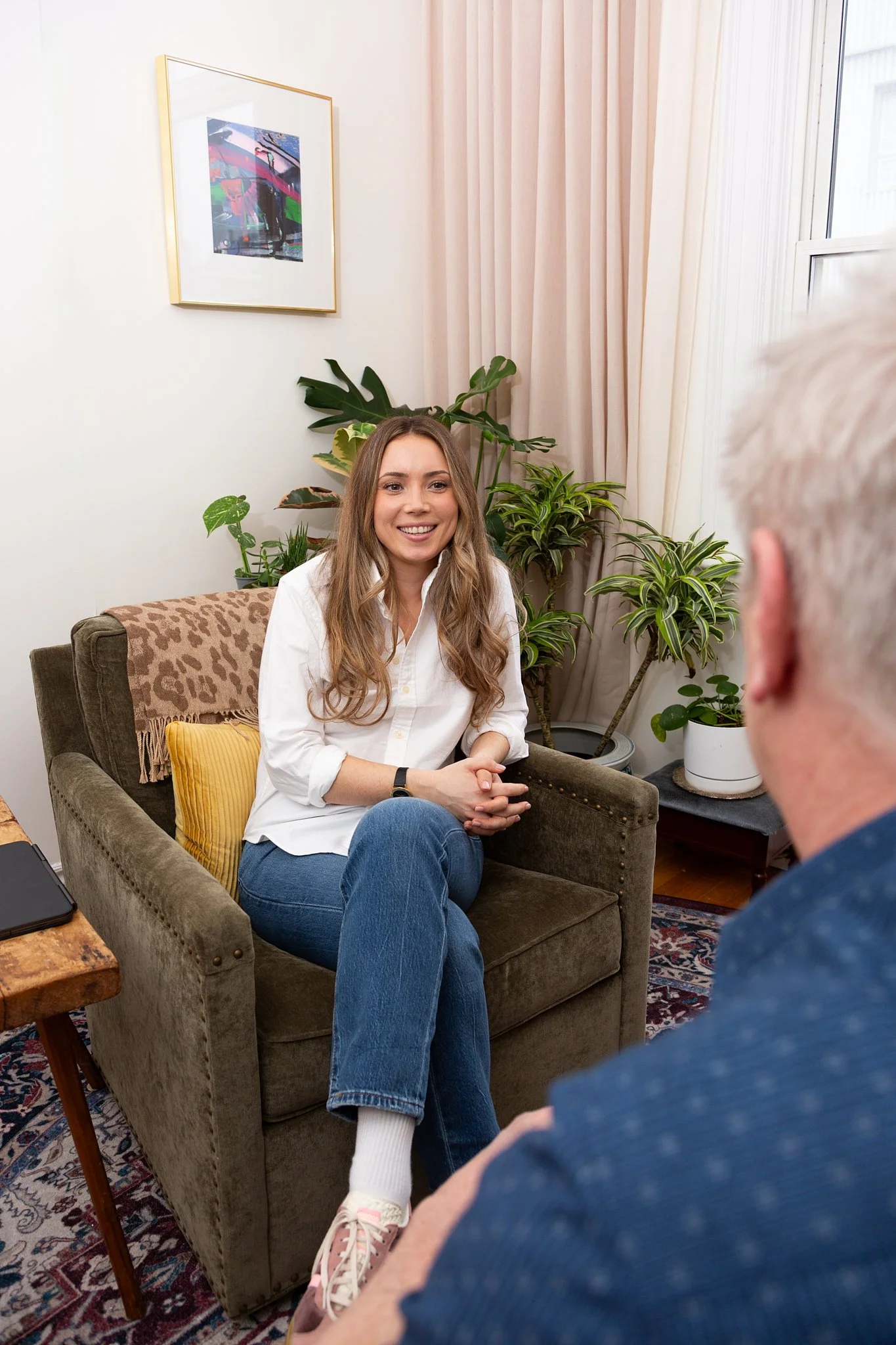
MY approach
I’m a person-centred therapist with an eclectic approach. I like to gather my favourite tools from a variety of modalities and use them in ways that are tailored to fit you.
At the heart of my work is the relationship we build. It’s a place to slow things down, notice what’s showing up, and approach it with curiosity. I’m known to use metaphors (often) and humour (sometimes dark), not to avoid the hard parts, but to stay with them.
Our conversations may include problem-solving, processing difficult emotional experiences, or exploring the thoughts, feelings, and patterns that shape your daily life.
I work from a trauma-informed and anti-oppressive perspective, and I’m committed to creating a space that feels non-judgmental, compassionate, and genuinely human. My practice is based in Barrie, Ontario, where I offer in-person therapy in a warm, living-room style space, alongside virtual sessions across Ontario.
My Specialties
I support adults across Ontario through a wide range of life’s challenges.
I have a special interest in working with persons navigating chronic pain or illness, cancer, anxiety, trauma (including first responders) and the lingering impact of emotional abuse.
My other areas of focus include depression, trauma, grief, stress, overwhelm, and difficult life transitions.

Chronic Pain & Illness
Living with chronic pain or illness can affect far more than physical health. I work with individuals navigating the emotional impact of long-term health concerns, making space for grief, frustration, and uncertainty while supporting practical ways to cope, adapt, and feel more like themselves again.
Cancer
Cancer affects every part of life, not just the body. I support individuals at all stages of the cancer experience, from diagnosis through treatment and beyond. Our work focuses on processing what’s happening, managing uncertainty, and finding ways to feel more anchored as things shift.

Anxiety
Anxiety doesn’t always show up as panic. It can look like constant mental noise, perfectionism, or feeling responsible for keeping everything running smoothly. I work with people who carry a lot internally, helping untangle these patterns, lighten the mental load, and develop practical ways to change their relationship with anxiety.
Trauma
Trauma can continue to shape how you think, feel, and respond long after an event has passed. I work with individuals processing trauma in a paced, collaborative way. I have a particular interest in supporting first responders, including the cumulative impact of high-stress roles and repeated exposure over time.

My work is rooted in relational, person-centred therapy and supported by:
Parts work
Narrative therapy
Eye Movement Desensitization and Reprocessing (EMDR)
Strength-based interventions
Solution-oriented interventions
Mindfulness-based interventions
a little about me…
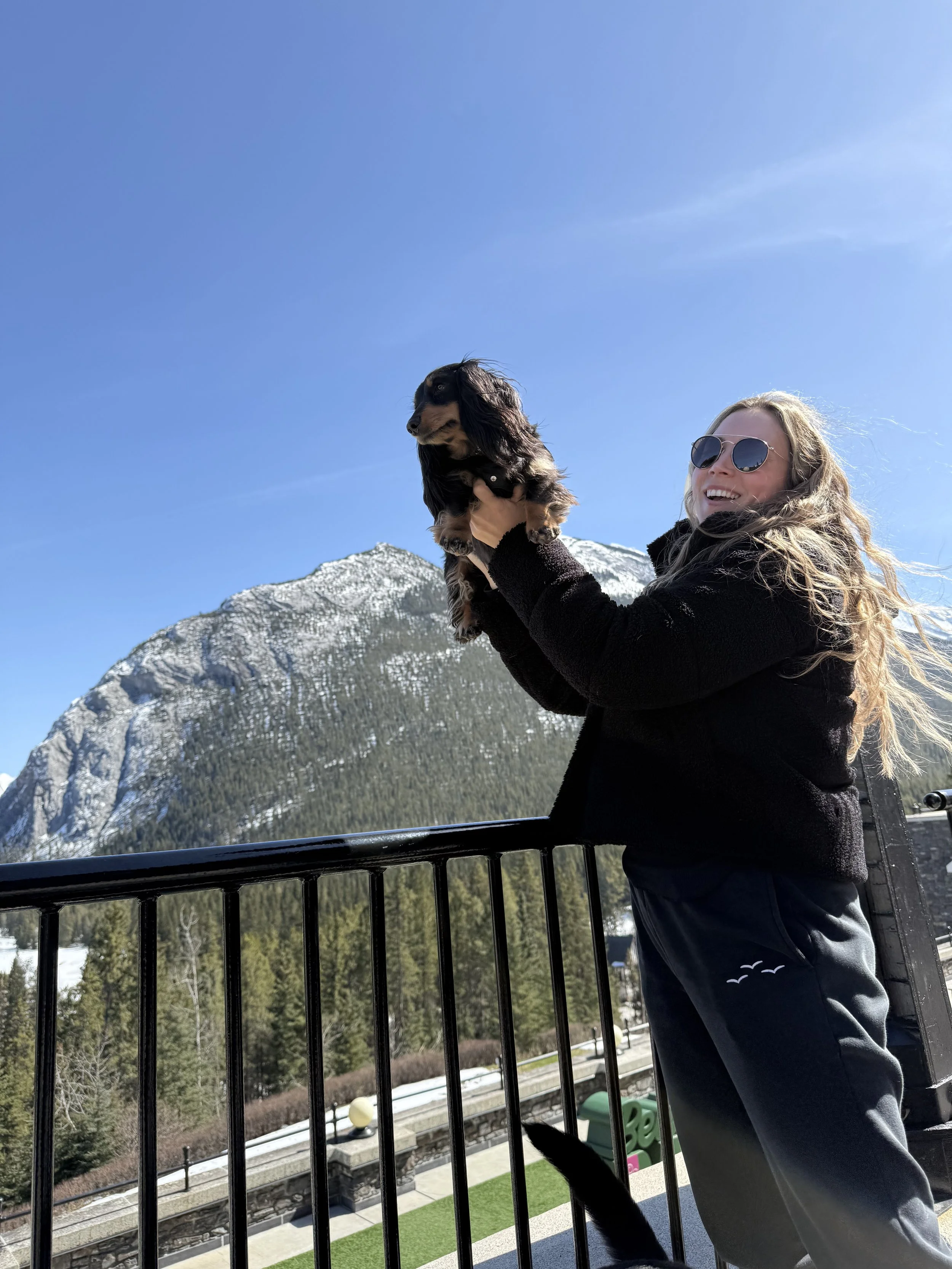
My life revolves around my dachshund, Lola. She’s the alpha and we all know it.
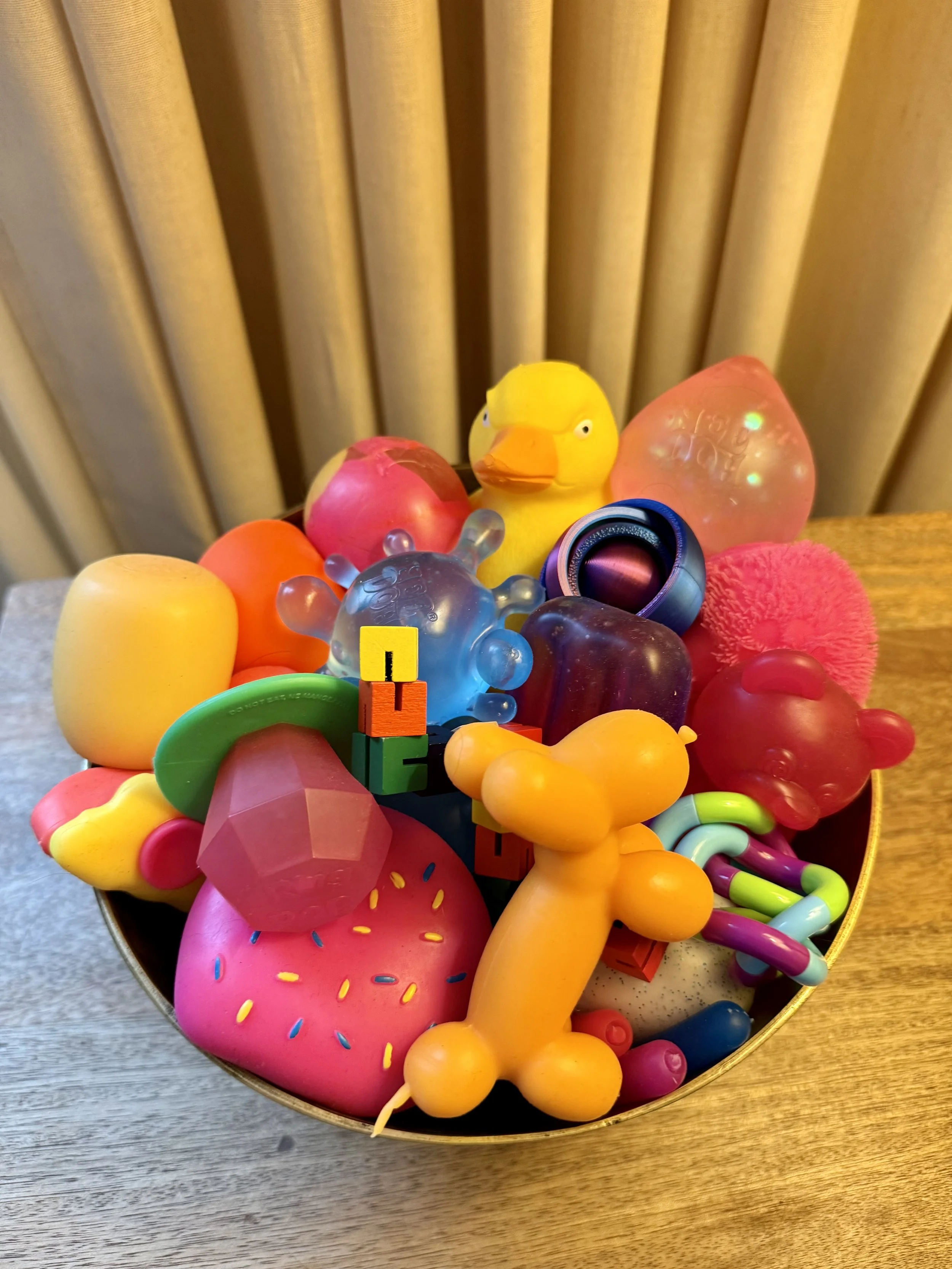
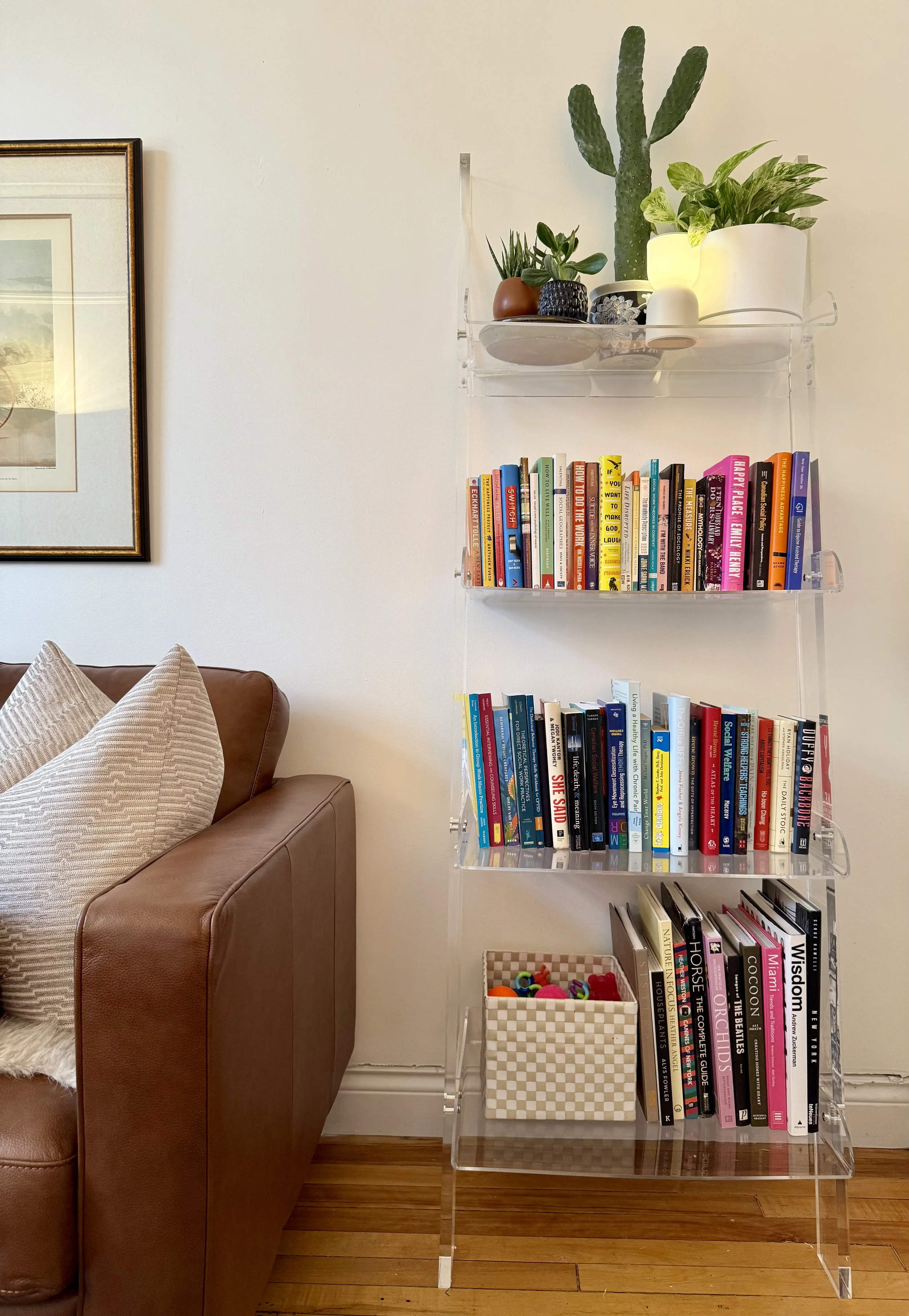
I am deeply proud of the fidget toy collection in my office. Needohs are my favourite.

I got very into houseplants during the pandemic, and it stuck. I have no regrets.
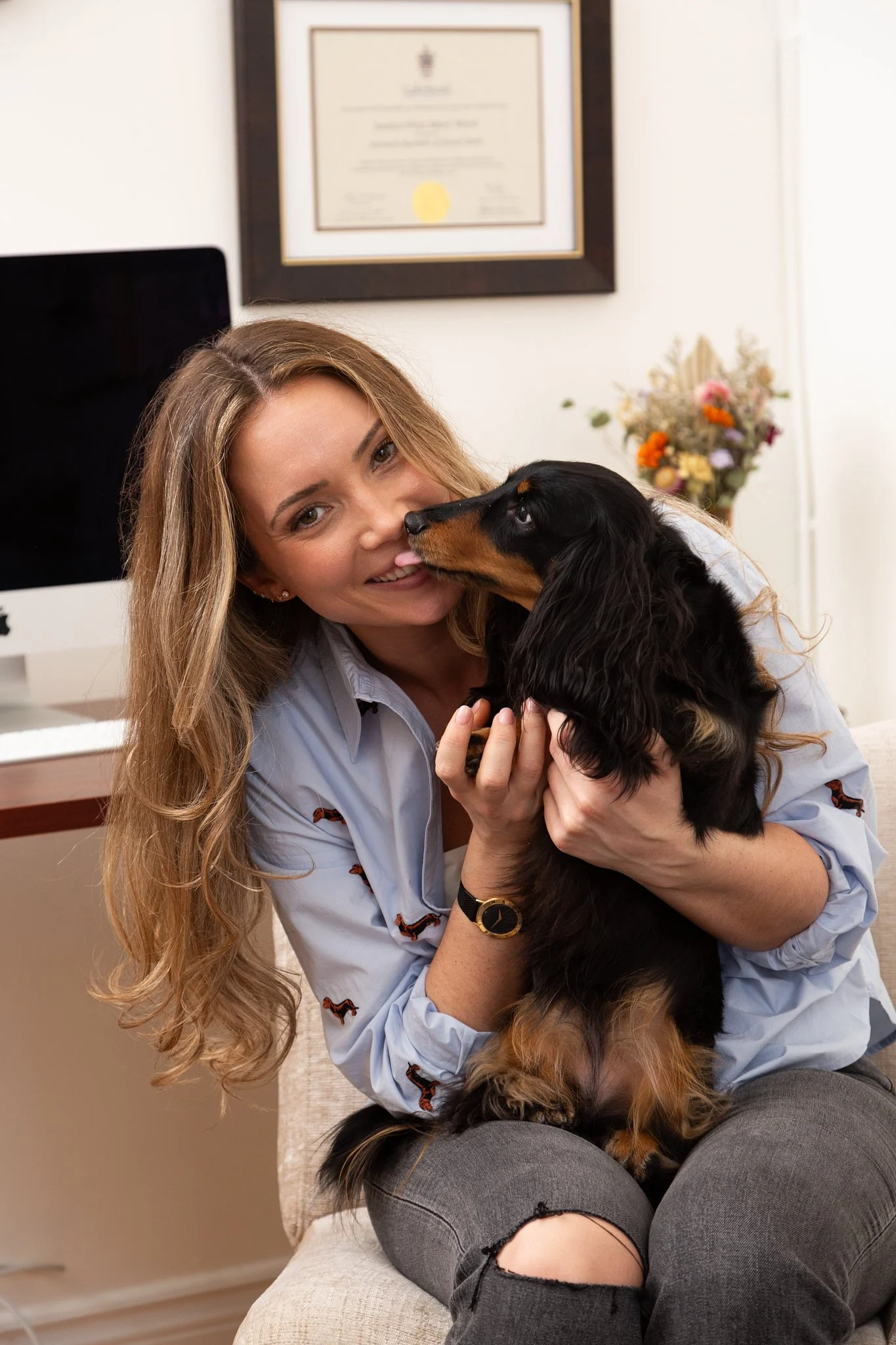
If dogs are involved…
I’m in.
Publications
Equine-assisted therapy programs on the ground versus programs in the saddle: How do you choose?
Ward, J., Hovey, A., & Brownlee, K. (2025). Equine-assisted therapy programs on the ground versus programs in the saddle: How do you choose? In Y. Neria, P.W. Fisher & A.J. Hamilton (Eds.), Guide to equine assisted therapy (pp. 53-74). Springer Nature. https://doi.org/10.1007/978-3-031-74426-6
Mental health benefits of mounted equine-assisted therapies: A scoping review.
Ward, J., Hovey, A., & Brownlee, K. (2022). Mental health benefits of mounted equine-assisted therapies: A scoping review. Health & Social Care in the Community, 30(6), e4920–e4935. https://doi.org/10.1111/hsc.13904

Meet Hannah
Hi, I'm Hanah (she/her)! I support Jess with the administrative aspects of her practice.
I completed my Bachelor of Science in Developmental Psychology, with a focus on child development, at Liberty University. I have been passionate about mental health and human development since adolescence, and this passion continues to motivate my work in the mental health field.
Outside of work, I enjoy reading, picnics while watching the sunset, and spending quality time with my family. These moments help keep me grounded and allow me to bring a calm, caring presence to my role each day.
I am often the first point of contact for new clients and take pride in creating a welcoming and supportive experience from the very beginning. I enjoy assisting clients with scheduling, answering questions, and helping them navigate their first steps with our clinic. I strive to ensure each interaction feels smooth, compassionate, and supportive, and I look forward to helping create a safe and comfortable environment throughout your wellness journey.
Therapy doesn’t have to start with certainty.
If you’re curious about working together, reach out. We can take it from there.